Why your hair gets tangled and how to improve its manageability naturally
Tangled hair is one of the most common challenges in daily routines. It does not matter if the hair is straight, wavy, or curly—at some point, everyone faces the difficulty of detangling it without causing damage.
Although many people see it as a small issue, frequent tangles can be a sign that the hair is not receiving proper care.
Why does hair get tangled?
Hair becomes tangled when its surface is not smooth enough. This can happen for several reasons:
Lack of hydration
Damage to the hair cuticle
Frequent use of heat or chemicals
Constant friction (pillows, brushes, weather)
When the cuticle is open or damaged, strands tend to catch onto each other, creating knots more easily.
The importance of hydration
One of the most important factors in preventing tangles is keeping the hair hydrated.
Hydration allows the hair fiber to stay flexible and smooth, reducing friction between strands. Ingredients like vegetable glycerin help attract moisture, while natural oils such as coconut or almond oil help lock it in.
Hydrated hair not only feels better but is also easier to manage.
Nourishment: beyond the surface
In addition to hydration, hair needs nutrients that strengthen its structure.
Oils like castor oil create a protective layer that reduces daily wear. Other components rich in vitamins help improve the hair’s resistance to breakage.
When hair is well nourished, its texture improves. It becomes more even, stronger, and less likely to tangle.
The role of natural ingredients
Natural solutions have become more popular because they work in balance with the hair.
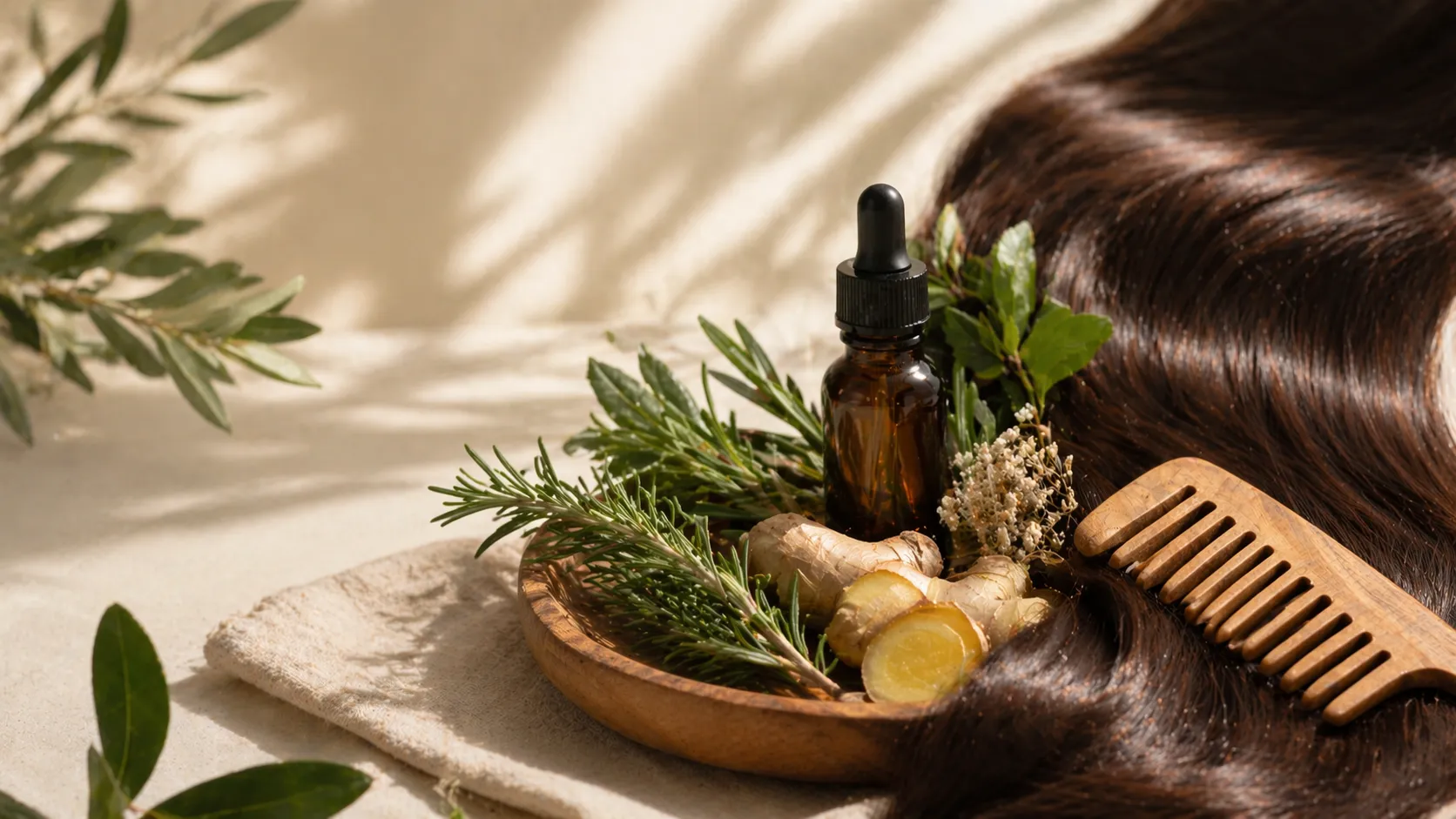
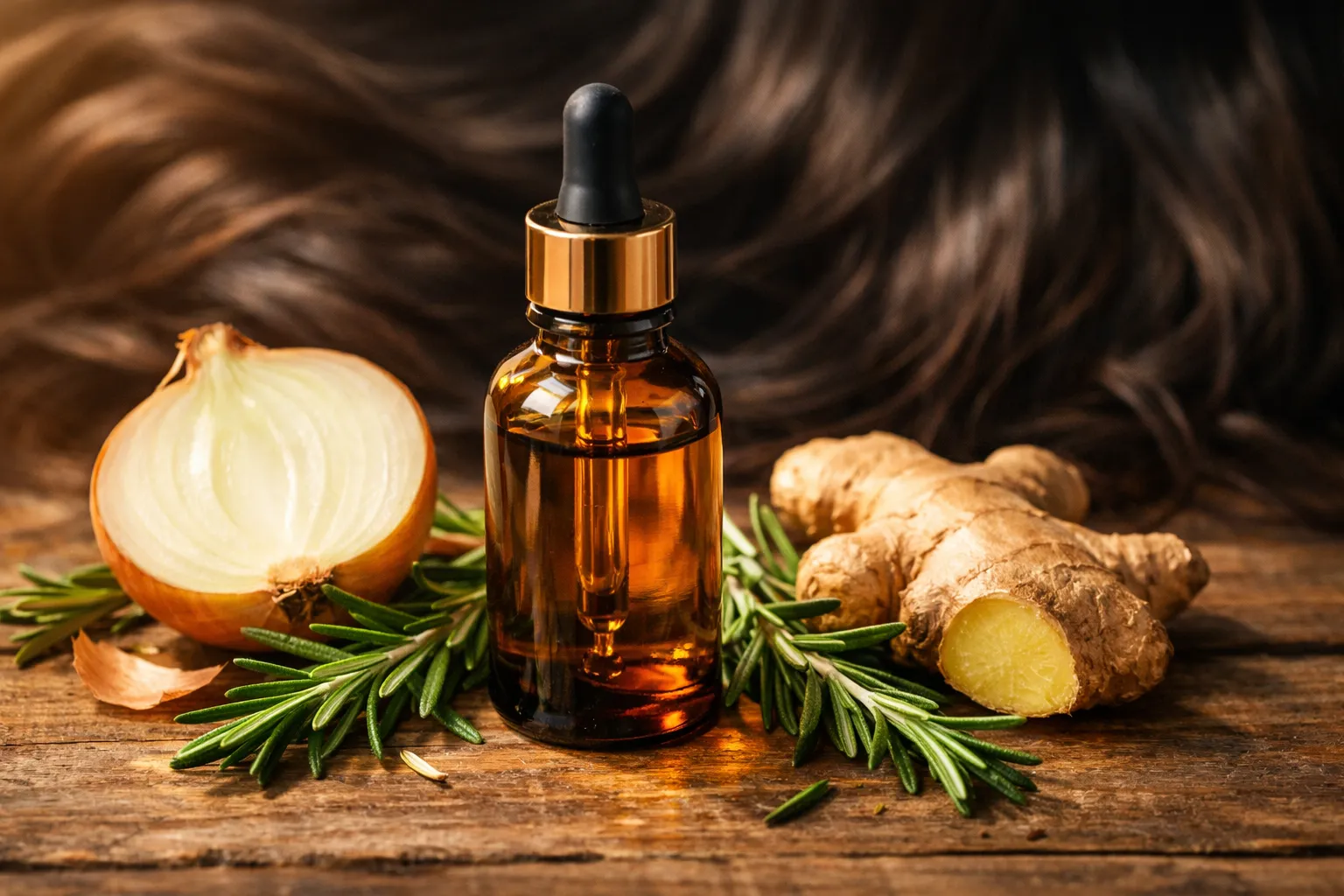
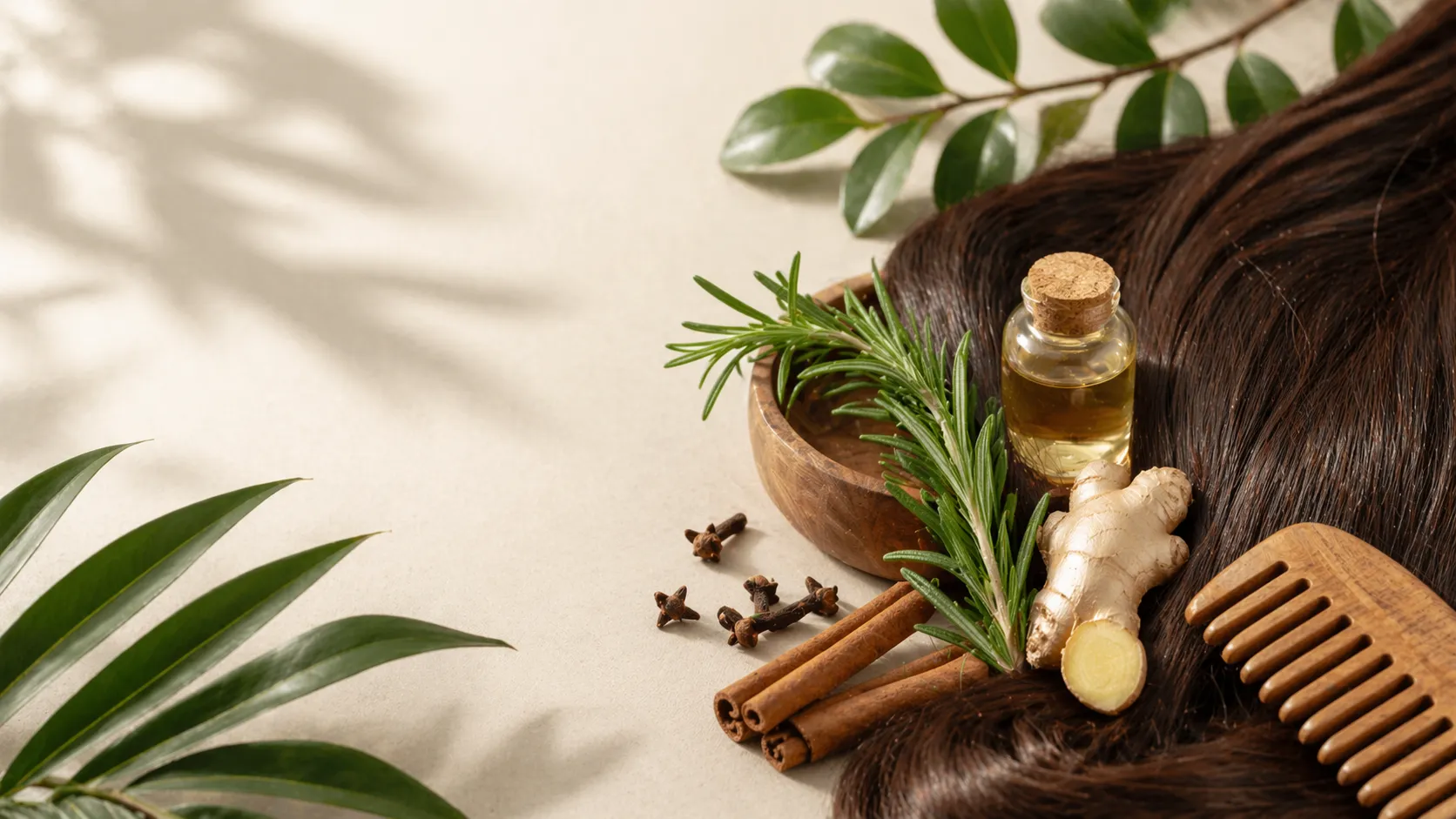
Herbs like rosemary and ginger help maintain a healthier scalp, which directly affects the quality of the hair that grows. Other traditional ingredients, such as cinnamon or clove, help improve hair strength.
This approach does not focus on instant results, but on gradual and long-lasting improvement.
How to reduce tangles in practice
Beyond products, simple habits can make a big difference:
Detangle hair when it is slightly damp
Use wide-tooth combs
Avoid excessive heat styling
Maintain a consistent hydration routine
These small changes, combined with proper nourishment, can significantly reduce tangles.
Results over time
When hair receives the right care, changes begin to appear gradually.
It becomes softer, easier to style, and more uniform in appearance. Fewer tangles not only improve daily experience but also reduce long-term damage.
Conclusion: understanding your hair to care for it better
Tangled hair is not just an inconvenience—it is a sign that something in the care routine can improve.
By focusing on hydration, nourishment, and natural ingredients, it is possible to transform hair manageability in a sustainable way. It is not about quick fixes, but about building a strong foundation for healthier hair.
Understanding how hair works is the first step to taking better care of it.
Written by
Melissa
Licensed Cosmetologist & Founder of Melissa Natural Products
Comments
Share your experience or ask a question.